

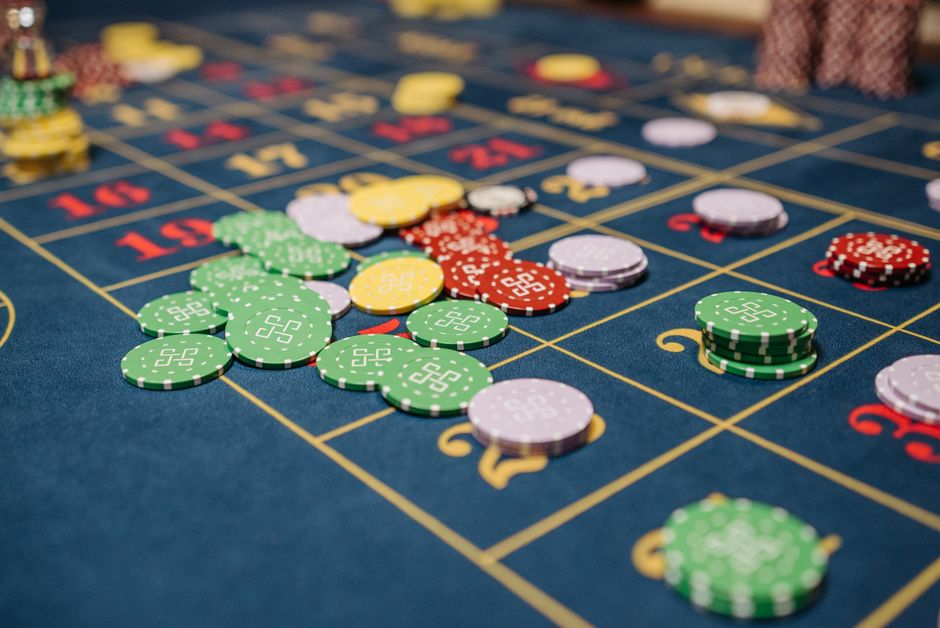
Walk into any online casino at 2 a.m. and you'll see the full spectrum of human psychology on display. Someone is chasing a bonus round on a slot machine for the fourteenth time. Someone else is three-tabling a poker tournament, calculating pot odds while their coffee goes cold. A third person is nervously watching a soccer match they've staked their weekend on. Different games, same itch. The iGaming world is vast, but understanding how its main pillars actually work — and where the real value hides — separates casual players from people who actually enjoy themselves without bleeding money.
Slots: The Math Behind the Flash
Slots get dismissed as pure luck, and technically that's true for any single spin. But the game design matters enormously over time. The key number is Return to Player (RTP) — the percentage of all wagered money a slot pays back over millions of spins. A 96% RTP slot returns $96 for every $100 wagered, on average. A 94% slot returns $94. That 2% gap sounds trivial until you consider volume: spin $500 an hour and the difference compounds fast.
Equally important is volatility. Low-volatility slots pay small amounts frequently. High-volatility slots like Book of Dead or most Megaways titles can go 200 spins without a win, then suddenly drop a 500x multiplier. Neither is "better" — they suit different bankrolls and temperaments. If losing 100 spins in a row will tilt you, stick to low volatility. If you want the shot at a life-changing hit, accept the droughts. For more on this, see HELLO88.
- Check the RTP in the game's info panel before you play — anything below 95% is a red flag in 2024.
- Max bet only matters if the jackpot is progressive and requires it; otherwise bet within your comfort zone.
- Bonus buys (paying 100x your stake for instant free spins) are high-variance gambles — treat them as entertainment, not strategy.
- Session limits beat "stop-loss" intuition. Set a timer, not just a dollar amount.
Poker: The Only Game Where Skill Actually Compounds
Here's the uncomfortable truth the casino industry rarely advertises: poker is the one game in the building where a skilled player can beat the house long-term. The house takes a rake — typically 5% of each pot up to a cap — but your opponents are the ones paying you, not the casino. That distinction changes everything.
New players obsess over hand charts and bluffing. Veterans obsess over position and bet sizing. In a six-max No-Limit Hold'em game, acting last (the button) is worth roughly 15-20% more expected value than acting first. That's not opinion — it's solvers churning millions of simulations. The button lets you see what everyone does before you commit chips. Simple as that. HELLO 88 offers a practical breakdown of the topic.
Three habits that separate winning players
- Play fewer hands than you want to. Loose-aggressive looks cool until you're calling 3-bets with Q8 offsuit. Tight-aggressive (around 22-25% of hands from most positions) prints money at low stakes.
- Track your results properly. A poker tracker isn't optional past the micros. You'll discover leaks you'd never guess — maybe you lose money from the small blind, maybe your river bluffs fail 90% of the time.
- Move up only when you've beaten your current stake over 30,000+ hands. One hot weekend is noise. Sample size is everything.
Tournaments add another layer: ICM (Independent Chip Model) pressure. Near the bubble, chips you win are worth less than chips you lose — so calling off with a marginal hand that's "mathematically ahead" can still be a tournament-ending mistake. This is why good cash players often struggle in tournaments. Different game, despite sharing a deck.
Sports Betting: Information Beats Instinct
Betting on sports feels intuitive to fans, which is exactly why most lose. The market is efficient, and bookmakers bake a margin into every line — typically 4-6% for major markets. To profit, you need an edge the market hasn't priced in. Home-field advantage? Already factored in. Star player returning from injury? Priced within minutes.
Where edges exist: obscure leagues, live in-play markets during momentum swings, and prop bets that casuals ignore. Line shopping across multiple sportsbooks is the single easiest way to improve returns — a half-point difference on a spread or a better price on an over/under adds up across hundreds of bets. Bonus structures (risk-free bets, odds boosts) are effectively free expected value if you read the terms carefully.
- Track every bet in a simple spreadsheet or app — you cannot fix leaks you can't see.
- Understand closing line value (CLV): if your bet's price consistently beats the closing line, you're finding real edges.
- Never chase losses on live markets at 11 p.m. Fatigue is the bookmaker's best friend.
Bankroll Management: Boring, Essential, Non-Negotiable
Every discipline above collapses without bankroll rules. The classic mistake is treating your balance as a scoreboard rather than a budget. A simple framework: never risk more than 1-2% of your total bankroll on a single bet or buy-in, and never gamble money you need for anything else. Poker players who buy into a $1/$2 game with $200 are technically under-rolled — the recommended buy-in is 20-40x the big blind, with a total bankroll of at least 20 buy-ins.
Set deposit limits before you play, not after. Nearly every regulated operator now offers them, and they're enforced at the platform level — willpower is a terrible safety net.
The Takeaway
Slots, poker, and betting are wildly different animals, but the players who get the most out of them share a mindset: they treat the games as systems to be understood rather than random thrills to be chased. Learn what RTP and volatility actually mean before you spin. Study position and ICM before you sit down at a poker table. Shop lines and track CLV before you place a bet. And manage your money with the same discipline you'd use in any investment. The house always has an edge — but knowledge shifts it slightly back toward you, and over thousands of decisions, slightly is everything.


Comments